Don’t waste time comparing prices Everything at ₹199. Period.!!!! ❤️
The Ancient Ayurvedic Approach to Modern Skincare
Nivedha
11/2/20255 min read
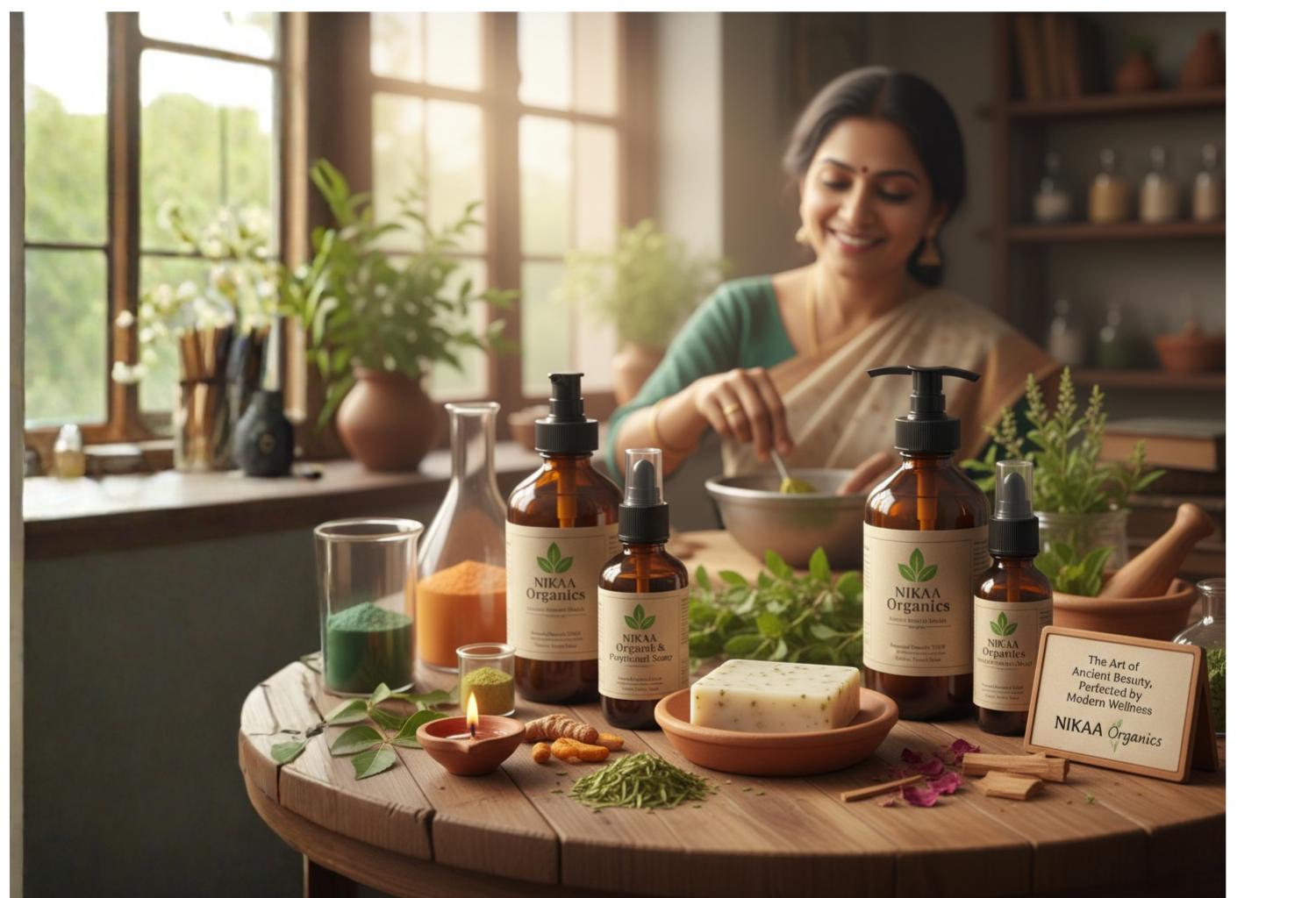
Understanding the Pitfalls of Modern Beauty Products
In the ever-evolving landscape of beauty and skincare, the allure of natural products often overshadows the reality of their formulations. Many contemporary beauty items are marketed as 'natural,' promising gentle and effective skincare solutions. However, a closer examination reveals that these products frequently contain synthetic ingredients and harsh chemicals that can disrupt the skin's natural balance. This deceptive labeling creates a false sense of security among consumers, who may not realize that what they are applying may be detrimental to their skin health.
The use of such synthetic chemicals often leads to a myriad of skin issues, including dryness, irritation, and allergic reactions. The skin, which serves as a protective barrier, can become compromised when exposed to harsh elements found in many modern beauty products. Such disruptions can trigger skin sensitivity, resulting in the need to rely on an array of remedies to mitigate these adverse effects. In essence, these products can evoke a dependency that drives consumers to purchase multiple skincare items, as one solution may not adequately address the problems caused by others.
Furthermore, the temporary solutions provided by modern beauty products often focus on immediate cosmetic enhancement rather than long-term skin health. The appeal of quick results can overshadow the necessity for an informed and holistic approach to skincare. By neglecting the wisdom of ancient methods, which emphasize harmony between the skin and its environment, individuals may inadvertently compromise their skin’s integrity.
As such, understanding the drawbacks of contemporary beauty products is crucial for anyone looking to maintain healthy skin. Moving towards a more informed approach encourages individuals to prioritize products that align with the values of natural skincare, promoting a state of balance rather than artificial enhancement. This shift can ultimately lead to long-term benefits and a more sustainable skincare regimen.
The Holistic Wisdom of Ayurveda
Ayurveda, often referred to as the science of life, is an ancient Indian system of medicine that spans over 5,000 years. It encompasses a holistic approach to health and well-being, aiming for balance in the body, mind, and spirit. The principles of Ayurveda emphasize that one's physical appearance, including skin health, is a reflection of internal balance. This understanding forms the basis of Ayurvedic skincare, which advocates for a ritualistic, rather than a hurried, approach to beauty.
The Ayurvedic perspective on beauty is deeply rooted in the belief that true radiance emanates from within. This philosophy encourages individuals to engage in daily rituals that promote overall health and well-being. A balanced diet, rich in whole foods, is essential as it fuels the body and nourishes the skin. According to Ayurveda, different body types, or doshas, dictate the ideal diet and lifestyle choices. Therefore, understanding an individual's unique constitution is pivotal for effective skincare.
Another cornerstone of Ayurvedic practice is the cultivation of a calm and peaceful mind. Stress is considered a significant factor that contributes to skin issues. Furthermore, techniques such as meditation and yoga are encouraged as they help maintain mental clarity and emotional balance, which in turn can positively affect skin health.
Moreover, Ayurveda promotes the use of natural, pure ingredients in skincare rituals, steering clear of synthetic additives. Ingredients such as herbs, oils, and plant extracts are prized components that contribute to vibrant skin. By leveraging these natural resources, Ayurveda not only addresses external beauty but also focuses on internal health, fostering a comprehensive approach to skincare that is sustainable and beneficial in the long run.
The Taila Pakka Vidhi: An Ayurvedic Skincare Secret
The Taila Pakka Vidhi, a revered method in Ayurvedic skincare, serves as the cornerstone for preparing herbal oils. This process involves the meticulous slow-cooking of natural oils with a variety of herbs, allowing the beneficial properties of the ingredients to infuse effectively. By preserving the integrity and potency of each component, this traditional technique ensures that the final product is rich in therapeutic benefits suitable for diverse skin types.
The procedure of Taila Pakka Vidhi can be broken down into several key stages. Firstly, select high-quality base oils such as sesame or coconut oil, known for their nourishing properties. Next, carefully chosen herbs and botanicals are added based on the specific skin concerns being addressed, such as neem for acne or rose for hydration. The initial step involves gently heating the oil, followed by the gradual addition of the herbs.
Throughout the cooking process, it is crucial to maintain a low flame, allowing the oils to absorb the active compounds of the herbs without altering their natural qualities. For optimal results, this infusion period typically lasts several hours. The careful attention to temperature and timing plays a significant role in enhancing the oil's medicinal properties. Once complete, the Taila is strained to remove any solid particles, leaving behind a silky, herbal-rich oil that can be directly applied to the skin or incorporated into various skincare rituals.
Incorporating Taila Pakka Vidhi into your skincare routine not only enhances efficacy but also connects you with ancient practices that prioritize holistic wellness. By understanding this timeless procedure, individuals can create their own personalized herbal oils, tailored to their specific skincare needs while reaping the benefits of nature’s bounty. Embracing such traditions can lead to improved skin health over time.
Integrating Ancient Practices into Modern Skincare Routines
Embracing the ancient Ayurvedic approach to skincare offers a holistic alternative to conventional products that often rely on synthetic ingredients. To effectively integrate these timeless principles into your skincare routine, it is essential to select the right natural ingredients that align with your individual skin type. In Ayurveda, skin types are categorized into three doshas: Vata, Pitta, and Kapha. Each dosha is linked with specific characteristics, which can guide you in choosing the most suitable herbs, oils, and formulations.
For instance, individuals with Vata skin, often dry and thin, can benefit from rich, nourishing oils such as sesame or almond oil. On the other hand, Pitta skin, characterized by inflammation and sensitivity, may respond well to cooling ingredients like aloe vera and rosewater. Lastly, those with Kapha skin, known for its oiliness, can utilize lighter oils such as sunflower or grape seed oil to maintain balance. Understanding your dosha is a fundamental step in fostering a skincare routine that resonates with Ayurvedic philosophy.
Establishing a skincare ritual that honors the principle of slow beauty is equally vital. This process encourages mindfulness and connection to self, promoting a deeper awareness of your skin’s needs. Begin by setting aside specific times each day for your skincare practice, allowing yourself to engage fully with the natural products you have chosen. Massage oils into your skin to stimulate circulation and promote relaxation, while incorporating breathing exercises or meditation to enhance your overall experience.
By shifting your focus from industrial products to Ayurvedic practices, you cultivate a meaningful relationship with your skin. In integrating these ancient traditions into your modern skincare regimen, you empower yourself to nurture not just your complexion, but your overall well-being. Embracing this holistic perspective enables you to explore new depths of self-care and connection with your body over time.